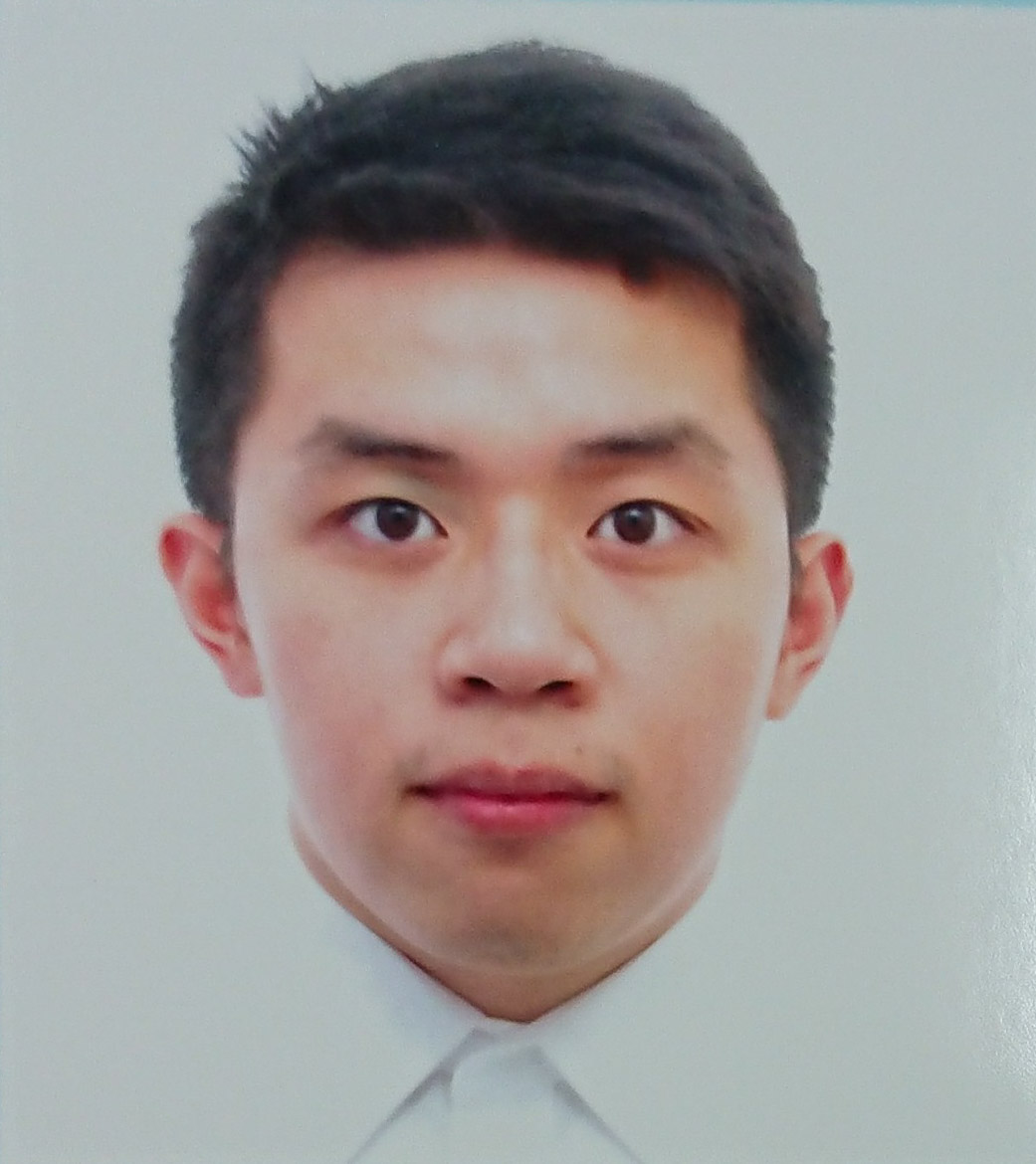
ChengRung Wu (Roger)
About
Software engineer with 9 years building and deploying mission-critical systems, progressing from engineer to technical lead. Now focused on self-hosted LLM infrastructure and inference optimization, from constrained Turing GPUs to H200. M.S. in Computer Science from NYCU; AWS Solutions Architect. Open to opportunities in 2027.
Experience
Lead technical direction for AI infrastructure; built a self-hosted, fully-offline LLM platform (30B model on two GPUs, 80–120 tok/s); brought up an H200 server and moved larger models to FP8; mentor engineers.
Designed and built a multi-source data-processing platform from scratch (Python, Elasticsearch, Docker): 2–3 million records a day, cutting analysis turnaround 60%; introduced GPU acceleration and containerization to legacy pipelines.
Built a network-planning & resource-optimization web application; consolidated legacy data processing onto VMware vCenter (10 physical servers → 3 hosts running 30 VMs); scaled the engineering team from 1 to 10+.
Featured Projects
Enterprise Air-Gapped LLM Platform
Production self-hosted LLM platform for air-gapped, security-critical environments. 30B MoE model across dual GPUs via tensor parallelism, fully offline, AD/LDAPS auth.
LLM Inference Benchmark
Reproducible vLLM vs TensorRT-LLM comparison on an RTX 3090, checked against the roofline. Both engines reach 83–98% of the hardware limit; the compiled backend was 18.5% slower at batch 32.
YaYan-AI — Multi-Dialect Speech AI
Fully-offline multi-dialect speech-to-text & translation: 22 Chinese dialects + 40 languages, 5-speaker diarization, LLM-assisted correction.
OpenClaw Agents
Framework of autonomous LLM agents — OODA-loop decision support and news briefing — with persona-driven design and credential-isolated deployment.
Writing
My benchmark said 42 ms. The math said 945 ms.
What I learned comparing vLLM and TensorRT-LLM on one RTX 3090 — mostly about measuring, not about engines.